 Free Fonts Family
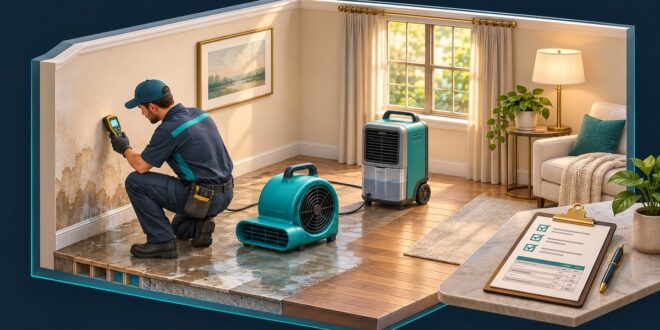
For most homeowners, a flooded kitchen or a soaked ceiling is a first-time experience, and not knowing what comes next makes it even more stressful. Fortunately, professional water damage restoration follows a fairly predictable process, and understanding it helps you recognize a trustworthy contractor. Los Angeles–based Elevate Pro Restoration, which has handled residential and commercial water losses since 2019, is a good example of what a transparent process should look like from the first call to the final repair.
The First Call
A reliable restoration company answers around the clock and gives you immediate safety guidance: shut off the main water valve, turn off electricity to wet areas if it’s safe to do so, move valuables to a dry place, and take photos of the damage. A crew should then be dispatched quickly. Every hour matters, because water spreads into drywall and subfloors, and mold can begin growing within 24 to 48 hours.
The Inspection
A proper inspection goes well beyond a visual check. Technicians use moisture meters and thermal imaging to find water hidden behind walls and under flooring, identify the source, and classify the water. Clean water from a supply line is handled very differently from contaminated water from a sewage backup. Many companies offer this assessment free of charge, and you should receive a clear explanation of the findings before any work begins. Be cautious of anyone who starts tearing out materials without explaining why.
A Realistic Timeline
Minor leaks may be resolved in a few days, while extensive flooding can take several weeks. A typical project moves through these stages:
- Emergency mitigation: stopping the source and extracting standing water
- Structural drying with industrial dehumidifiers and air movers
- Daily moisture monitoring to confirm materials are fully dry
- Cleaning, sanitizing, and mold prevention treatment
- Repairs and reconstruction to restore the property to pre-loss condition
A good contractor shares the expected timeline right after the inspection and updates you as drying progresses. Closing up walls too early traps moisture and invites mold, so patience at this stage pays off.
Repairs and Reconstruction
Drying is only half the job. Once materials are dry, damaged drywall, flooring, baseboards, and cabinets need to be replaced. Some mitigation companies stop after drying and leave homeowners searching for a separate contractor, which adds delays and coordination problems. Choosing a company that also provides water damage repair means one team is accountable from extraction to the final walkthrough, and the people rebuilding already know exactly which areas were affected. It’s also worth asking whether repair work comes with a written warranty.
Insurance and Billing Without Surprises
For many homeowners, the insurance claim causes more anxiety than the damage itself. Experienced restoration companies document everything with photos, moisture logs, and itemized estimates, communicate directly with your adjuster, and often bill the insurer on your behalf. Before signing, ask about the scope of work, what your policy is likely to cover, and what your out-of-pocket costs such as the deductible will be.
Final Thoughts
Knowing the process helps you make calm, informed decisions in a stressful moment. Look for a company that responds quickly, inspects thoroughly, sets a realistic timeline, handles repairs, and keeps billing transparent.